
The science behind modern hair restoration techniques
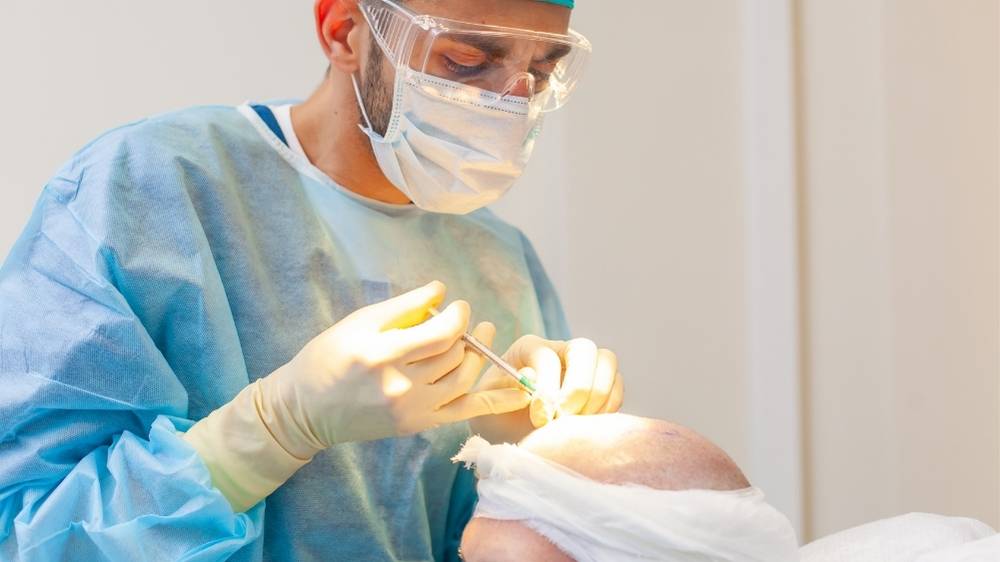
If you have been researching how to fix thinning hair, you have likely come across a lot of confusing terminology. At its core, modern hair restoration is about moving healthy hair follicles from an area of the scalp where hair is still plenty (usually the back or sides) to the areas where it is thinning. The two most common methods used today are FUE (Follicular Unit Extraction) and FUT (Follicular Unit Transplantation). Both have their merits, but FUE has become the preferred choice for many because it is less invasive and leaves no linear scarring. During an FUE procedure, individual follicular units are extracted one by one using a specialised micro-punch tool. This requires an incredible amount of precision and an artistic eye to ensure that the newly placed hair follows the natural growth pattern of your existing hair. The goal is always the same: to create a result so natural that even your barber or hairdresser wouldn’t know you have had work done. This meticulous approach is exactly what people look for when they book a glasgow hair transplant, as the local clinics place a heavy emphasis on bespoke treatment plans rather than a one-size-fits-all approach.What to look for when choosing your clinic
Choosing where to have your surgery is the most important decision you will make in this process. It is easy to be swayed by flashy advertisements or low prices, but hair restoration is a surgical procedure that requires a high level of skill and medical accountability. In the UK, you have the advantage of strict regulations that protect patients, but you still need to do your homework. Here are a few things you should always check before committing to a clinic:- GMC Registration: Ensure your surgeon is registered with the General Medical Council and has a clear record of practice.
- Specialised Experience: Hair restoration is a niche field. You want a surgeon who performs these procedures daily, not someone who only does them occasionally alongside other cosmetic surgeries.
- Before and After Portfolio: Look for a diverse range of photos showing real patients. Pay close attention to the hairline design, as this is the hardest part to get right.
- Transparency: A good clinic will be honest about what you can realistically achieve. If they promise you the hair of a teenager when you are in your fifties, be cautious.
The importance of a face to face consultation
In the digital age, it is tempting to just send a few photos over WhatsApp and get a quote. While this can provide a rough idea, it is no substitute for a proper, in-person consultation in a clinical environment. When you visit a centre for a glasgow hair transplant, the surgeon needs to examine your scalp closely. They need to assess your donor hair density, the quality of your hair shafts, and the health of your scalp skin. They also need to discuss your family history of hair loss to predict how your hair might change in the future. A consultation is also your chance to get a feel for the clinic. You should feel comfortable, listened to, and never pressured into making a decision. Hair loss is a progressive condition, and a responsible surgeon will often discuss non-surgical options, such as medication or topical treatments, to help stabilise your hair loss before or alongside a transplant. This holistic approach ensures that the results of your transplant look good not just next year, but ten or twenty years down the line.What happens on the day of the procedure?
Many people feel a bit nervous on the day of their surgery, which is completely natural. However, most find the experience much more relaxed than they anticipated. A typical hair transplant is a day-long procedure, often starting early in the morning and finishing in the late afternoon. Because it is performed under local anaesthetic, you are awake throughout the process. Most clinics provide entertainment, such as films or music, and you will have breaks for lunch and refreshments. The day usually follows a structured sequence to ensure the best results:- Design and Marking: The surgeon will carefully draw the new hairline and the areas to be treated, ensuring you are happy with the planned shape.
- Extraction: The donor area is numbed, and the follicles are carefully harvested.
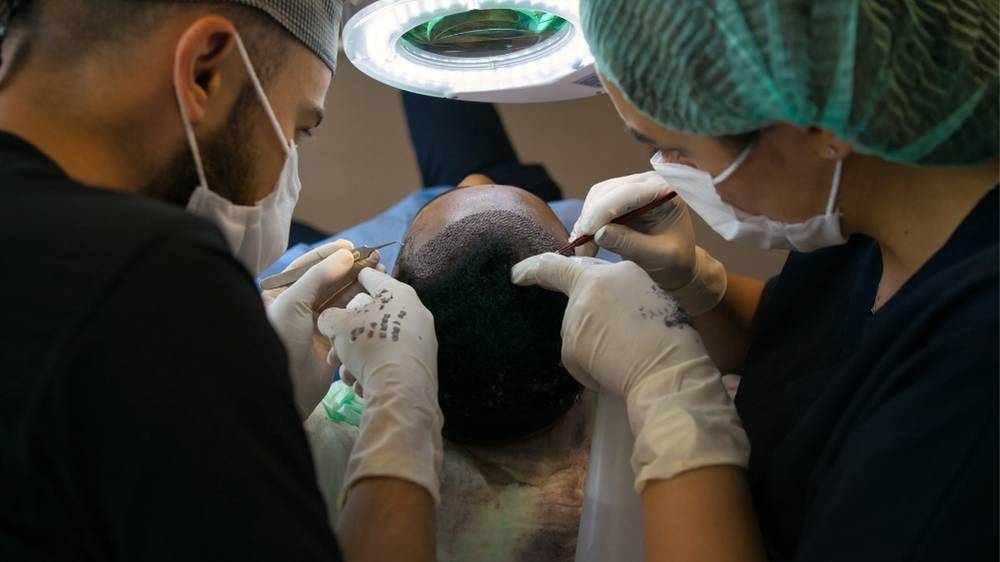
- Graft Preparation: The extracted grafts are cleaned and sorted under a microscope by a team of technicians to ensure they are healthy and ready for implantation.
- Implantation: The surgeon creates tiny incisions in the recipient area and carefully places each graft at the correct angle and depth.
Navigating the recovery and growth timeline
Once the procedure is over, the real work of patience begins. You won’t walk out of the clinic with a full head of hair; in fact, the first few weeks require some careful management. You will be given a detailed aftercare pack, which usually includes specialised shampoos, saline sprays, and instructions on how to sleep to avoid putting pressure on the new grafts. Most people take about a week off work to allow the initial redness and scabbing to subside. One thing that often surprises patients is the ‘shedding’ phase. Around two to four weeks after the transplant, the newly implanted hairs will actually fall out. This can be alarming if you aren’t expecting it, but it is a perfectly normal part of the process. The follicle itself remains healthy and dormant under the skin. From around the three or four-month mark, you will start to see fine, new hairs breaking through the surface. It usually takes a full twelve to eighteen months to see the final, thickened result of your glasgow hair transplant. The beauty of a modern transplant is that once the hair grows in, it is permanent. Because the donor hair is taken from areas genetically resistant to the hormones that cause balding, those hairs will continue to grow for the rest of your life. You can cut it, style it, and even dye it just like you would with your original hair. This long-term solution is why so many people view the procedure as an investment in themselves rather than just a cost. It removes the daily stress of trying to hide thin patches and allows you to get on with your life without constantly worrying about your appearance in photos or under bright lights.
Robert Shields focuses on local history, cultural heritage, and community engagement. His writing emphasizes the importance of preserving traditions while exploring modern developments in local communities.